WHAT IF THE PATTERNS YOU CAN'T SEEM TO BREAK AREN'T JUST BAD HABITS—BUT THE RESULT OF A FALSE NAME YOU'VE BEEN ANSWERING TO YOUR WHOLE LIFE?
Long before we were old enough to decide who we were, the people and experiences around us were already telling us who we were.
Unwanted. Too much. Not enough. Weak. Alone. A disappointment.
Over time, these false names become more than lies we believe. They become the lens through which we see ourselves, God, and the people around us.
We hide. Perform. Strive. Control. Withdraw. Sabotage relationships.
And often, we have no idea why.
In his new book, That's Not My Name, Jeremy Williamson draws from Scripture, his own deeply personal story, and more than twenty-five years of walking with people through the hardest parts of their lives to explore the hidden power of false identity.
His premise is provocative:
THE VOICE THAT NAMES YOU BECOMES THE VOICE YOU LIVE UNDER.
And freedom may begin with learning to say four words:
THAT'S NOT MY NAME.
JEREMY WILLIAMSON
Author of That’s Not My Name
-
WHY THIS CONVERSATION MATTERS NOW
Men are increasingly talking about anxiety, loneliness, addiction, shame, fractured relationships, and father wounds.
But what if we're treating symptoms without asking the deeper question:
Who did you learn you had to become in order to survive your story?
Jeremy offers language for understanding why intelligent, faithful, self-aware people can recognize destructive patterns and still feel powerless to change them.
This conversation goes beneath behavior and self-improvement to explore the identity from which we actually live.
-
POTENTIAL CONVERSATION ANGLES
Why the names spoken over us in childhood still shape our adult lives
The difference between a lie you believe and an identity you live under
Why some men can't simply “think” or “pray” their way out of destructive patterns
How father wounds shape a man's understanding of himself
Why shame makes us hide, perform, control, and withdraw
How false identities travel through generations
Why self-improvement often fails to produce genuine freedom
The connection between identity and spiritual authority
How our own wounds influence the names we give our children
What it actually means to rebel against a false name
-
SAMPLE INTERVIEW QUESTIONS
You say many of us have been “answering to the wrong name.” What do you mean by that?
What's the difference between believing a lie about yourself and actually living under a false identity?
You write, “The voice that names you becomes the voice you live under.” How does that play out in someone's everyday life?
How can a person who had relatively good parents still end up carrying a false name?
Why do intelligent and self-aware people continue repeating patterns they know are hurting them?
What role do fathers and other authority figures play in shaping identity?
You connect false names to the biblical story of Jacob. Why is his story so important?
How do the names we carry affect our marriages, friendships, and children?
You use the word “rebel” rather than “heal” or “recover.” Why?
If someone listening suspects they're living under a false name, where do they begin?

THREE IDEAS THAT MAY CHANGE THE CONVERSATION
“The Naming didn’t describe the boy; the naming changed the boy.”
“The voice that names you becomes the voice you live under.”
“Freedom is not becoming a better version of your false self. It’s learning to stop answering to a name that was never yours.”
SUGGESTED EPISODE TITLES
You've Been Answering to the Wrong Name
The Hidden Reason You Can't Break the Pattern
Who Told You Who You Are?
The Names Men Carry
Why Self-Improvement Isn't Setting You Free
That's Not My Name: How False Identity Shapes Your Life
ABOUT
JEREMY WILLIAMSON
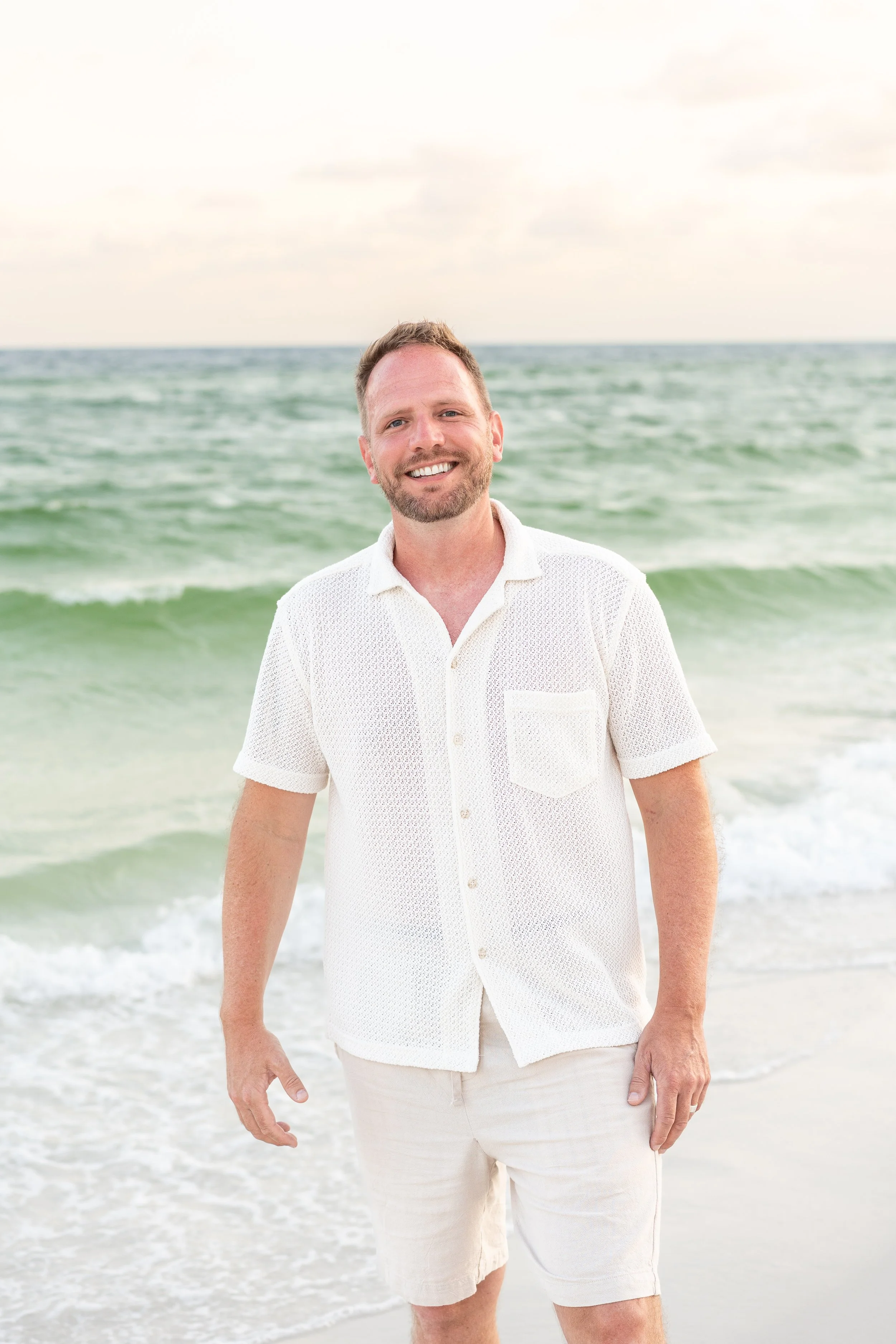
Jeremy Williamson has spent more than twenty-five years walking with men and women through the hardest and most honest parts of their stories. His work in ministry, pastoral care, and story-focused spaces has brought him into conversations around identity, shame, childhood wounds, spiritual formation, and the generational impact of unresolved pain.
His own journey through family trauma, ministry wounds, anxiety, and the discovery of the false names that had shaped his life became deeply personal ground for That's Not My Name.
Jeremy is a storyteller and communicator willing to go into uncomfortable places with honesty and hope, grounded in the belief that the names we've carried do not have to define the lives we live.
JEREMY IS A STRONG FIT FOR
Christianity & Faith • Men's Formation • Masculinity • Emotional & Spiritual Health • Fatherhood • Marriage & Relationships • Leadership • Story • Generational Healing
Details & Links
BOOK: That's Not My Name
AUTHOR: Jeremy Williamson
TOPICS: Identity | False Names | Shame | Father Wounds | Spiritual Formation | Story | Freedom
[HEADSHOT]
[BOOK COVER]
[WEBSITE / BOOK LINK]
[MEDIA CONTACT]