
Lions and the cost of Going Alone
I was bullied a lot in middle school. That was a season where I was understanding that there was no place I seemed to belong- not at home, not at church, not at school. I didn’t have a group. I started to believe I was on my own, and needed to need no one.
If I’m strong enough, I won’t need others, and won’t get hurt.
Couple that with images of the lone ranger, lone wolf, lone… anything. The tough guy cowboy on his own, mysterious and needing no one. Something in me knew I needed to become that guy.
But being ‘lone’ doesn’t work. It sounds heroic. Rugged. Self-sufficient. And it’s mostly fantasy.
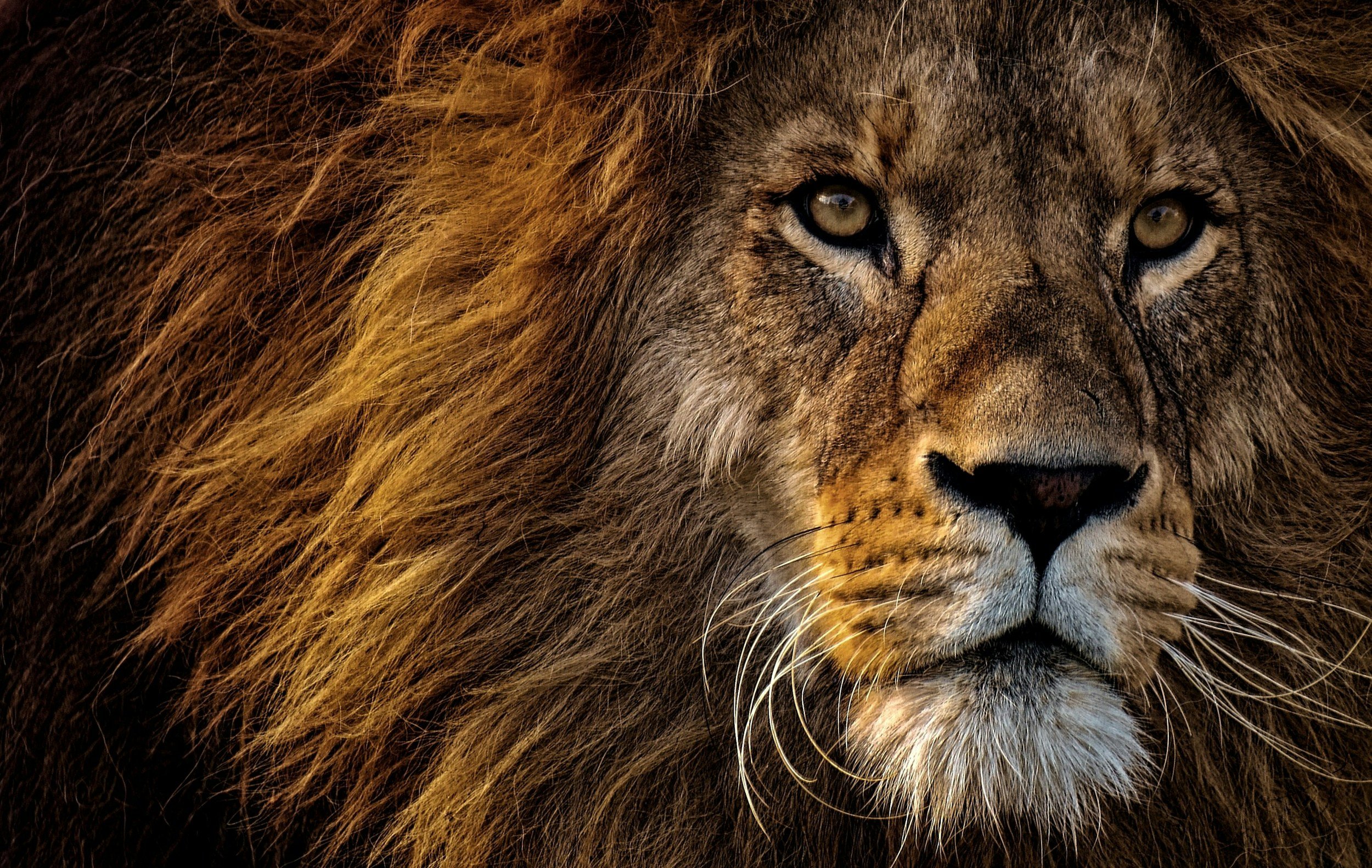
I was a big fan of The Lion King as a kid. I remember crawling around on all fours, articulating my shoulders in a way that made me feel like a lion on the prowl. A caricature formed in my head of the solo male lion, full mane flowing, feared and powerful.
In the real world, adult male lions don’t win by being impressive solo. They win by forming coalitions—two, three, sometimes more males who team up to take ground and hold it. I read an article that described how these coalitions move in, seize control of a pride’s territory, and father offspring during a relatively short window before rival males challenge them. A male lion’s “success” is tied directly to whether his coalition can withstand outside pressure.
The blunt takeaway: having a coalition matters. The solo strategy loses pretty much every time. Here’s the part that hits me: coalitions aren’t sentimental. They’re not formed because lions are “nice.” They’re formed because reality is violent, competitive, and unforgiving—and isolation is expensive. In territorial challenges, coalitions are far more likely to approach and confront intruders than a single male facing multiple rivals.
That’s brotherhood.
Not “let’s grab wings and watch the game” (nothing wrong with that). I mean the kind of brotherhood where:
-Someone sees your drift before you call it drift,
-Someone names the story you’re telling yourself,
-Someone steps toward the threat with you instead of watching you fight alone.
Isolation doesn’t just make a man lonely. It makes him easier to displace—by temptation, stress, bitterness, escapism, or just the slow erosion of his edge.
If you’re living the lone-lion script, here’s the hard truth: you might look strong… right up until pressure shows up. Then we find out what you’ve actually built.
What have you wrestled with here?
Where have you been calling isolation “strength,” when it’s really just self-protection?
Cody Buriff
Restoration Project Director of Resources & Pathways
